
Contract standoffs 2027: the players entering their final six months
The final months of a contract are the only part of the transfer market that runs on a fixed legal clock. From January, a player whose deal expires in June can sign a pre-contract with a club in another country, and no fee is involved. That deadline does more to set January prices than any rumour, because it gives the selling club a date after which its asset is worth nothing.
The clock that starts in January
The six-month rule comes from the Bosman case and sits in FIFA's regulations on the status and transfer of players. Cross-border pre-contracts become possible in the last six months, which for deals expiring in June 2027 means January 2027. Domestic moves follow national rules instead, and in England the freedom arrives at the end of the contract rather than six months before it.
This is why the same story appears every winter in two versions. One says a club is "confident" of a renewal. The other says a foreign club has "reached an agreement". Both can be true at once, and only one of them is binding.
Alex Scott: 18 months and no signature
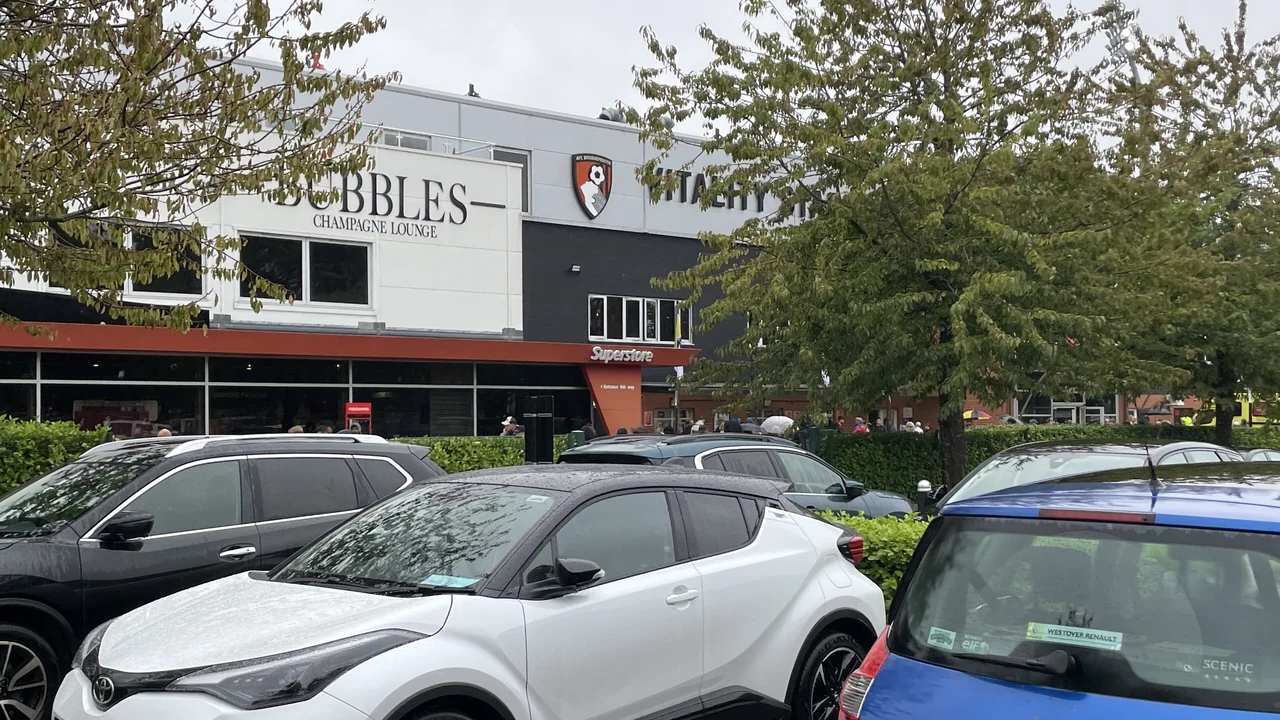
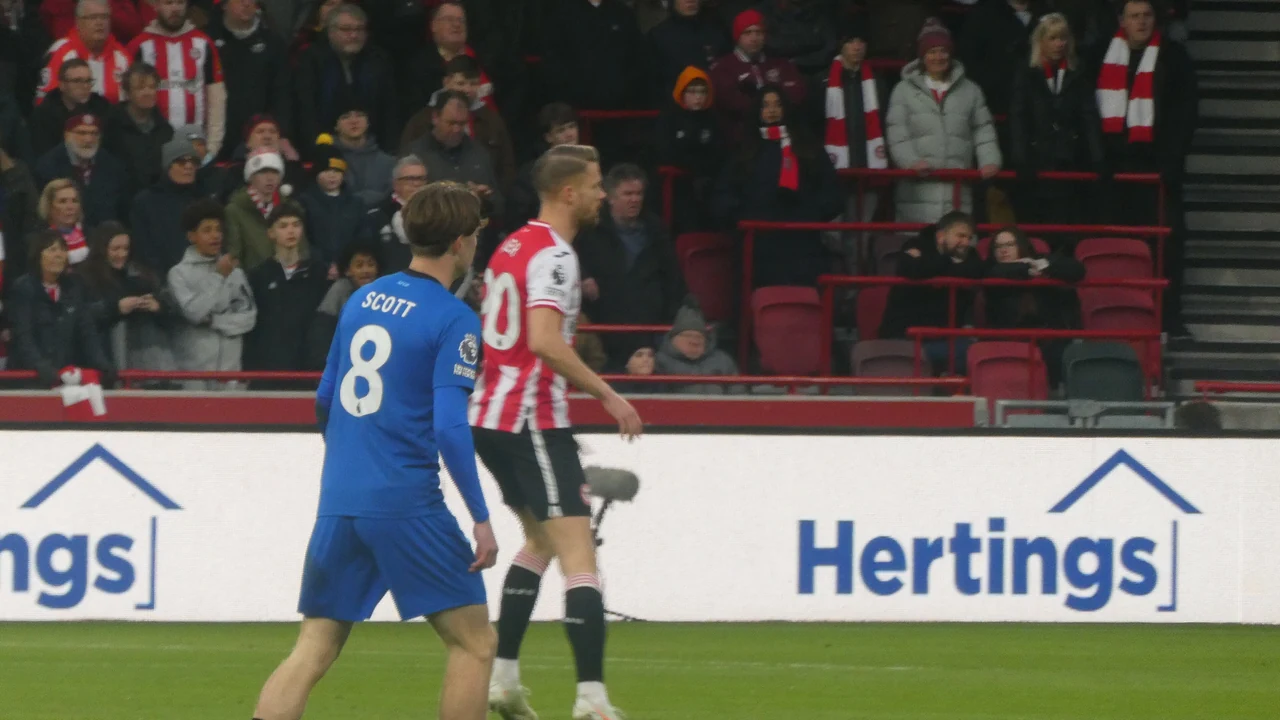
The most instructive standoff of this window is not a player in his final six months at all. Alex Scott, 23, has around 18 months left on his Bournemouth contract and has refused to extend, as reported on 16 October 2026. That places him on the other side of the same problem: a club trying to avoid ever reaching the final six months, and a player who has decided his future lies elsewhere.
Bournemouth's response is rational. If a renewal is not coming, the value has to be captured now, and the reports say the club would consider offers above £80m in January. Chelsea and Liverpool are described as seriously interested. Nothing is agreed, and no bid has been confirmed.
What £80m in January actually means
An £80m January valuation is not the same as an £80m summer fee. Winter buyers pay for immediacy, as the mechanics of the January window explain, so the number carries a premium that disappears in June. It also carries a risk discount, because a buying club knows the selling club has a clock running and a player who might simply wait.
That tension is why the deal, if it happens, will probably be structured rather than paid in one line: a fixed sum, appearance-based additions, and possibly a sell-on percentage. Bournemouth's negotiating position is strongest in the first week of January and weakest in the last, which is the opposite of how most fans read the window.
| Player | Club | Contract position | Reported figure | Status |
|---|---|---|---|---|
| Alex Scott | Bournemouth | About 18 months left | £80m+ | Renewal refused, no bid |
| Lisandro Martinez | Man Utd | Ends 2026/27, club option | Not reported | Option decision pending |
| Luke Shaw | Man Utd | Expires end of season | Not reported | No renewal reported |
The injury variable
Scott's situation includes a medical detail that changes the maths. He has a hamstring tendon injury, and Marco Rose has indicated a return sooner than eight weeks. A club paying £80m in January for a player who cannot play until February is buying the summer early, not buying a season. That usually means either a reduced fee or a deal agreed now and completed at the end of the campaign.
Martinez, Shaw and the United cliff
At Manchester United the contract issue is defensive and immediate. Lisandro Martinez is reported to be inside the final year of his deal with an option held by the club, while Luke Shaw's contract expires at the end of the season. One decision is a formality, the other is a genuine fork: renew a player whose availability has been intermittent, or let the contract run and fund a replacement.
Both cases explain why a standoff is rarely about money alone. Playing time, the option structure and the age curve of the squad all move the number as much as the wage does.
Why clubs let it get this far
- Renewal talks pause when a player changes agent, and the pause is often reported as a breakdown.
- Clubs delay to protect the wage structure, then discover the market rate has moved past them.
- An option year is not a renewal: it buys time without buying commitment.
- Injury risk pushes both sides towards waiting, which is the one strategy that destroys value.
- Foreign interest is cheap to leak and expensive to prove, so most "agreement" stories are pressure, not fact.
The price of a standoff
Every standoff has a deadline that is public, which makes this the most checkable part of the market. Read the contract date first, then the valuation, then the source. A player with 18 months left and no signature is a sale waiting for a price. A player with six months left is a negotiation the club has already lost, and the free-agent route is the outcome. Our guide to the 2027 free-agent class sets out how those moves are priced when the fee disappears and the wage rises.
For Bournemouth the calculation is simple: sell in January above £80m, or risk a summer in which the number falls every week. For the buying clubs it is simpler still. Wait, and the price comes to them.
Keep reading

Sweet Bonanza demo: how the free spins round actually pays
The demo teaches the mechanic, not the math: how the free spins round is actually calculated.
2026-10-17
Gates of Olympus super scatter: what the multiplier symbols do
Multiplier symbols pay nothing on their own. Here is when they are counted, and how the running total builds.
2026-10-17
Pragmatic Play slots RTP explained: why the same game pays differently
Return configurations are chosen per operator. The label on the game does not tell you which one is running.
2026-10-17