
After the verdict: how the case changes Manchester City's transfer plans
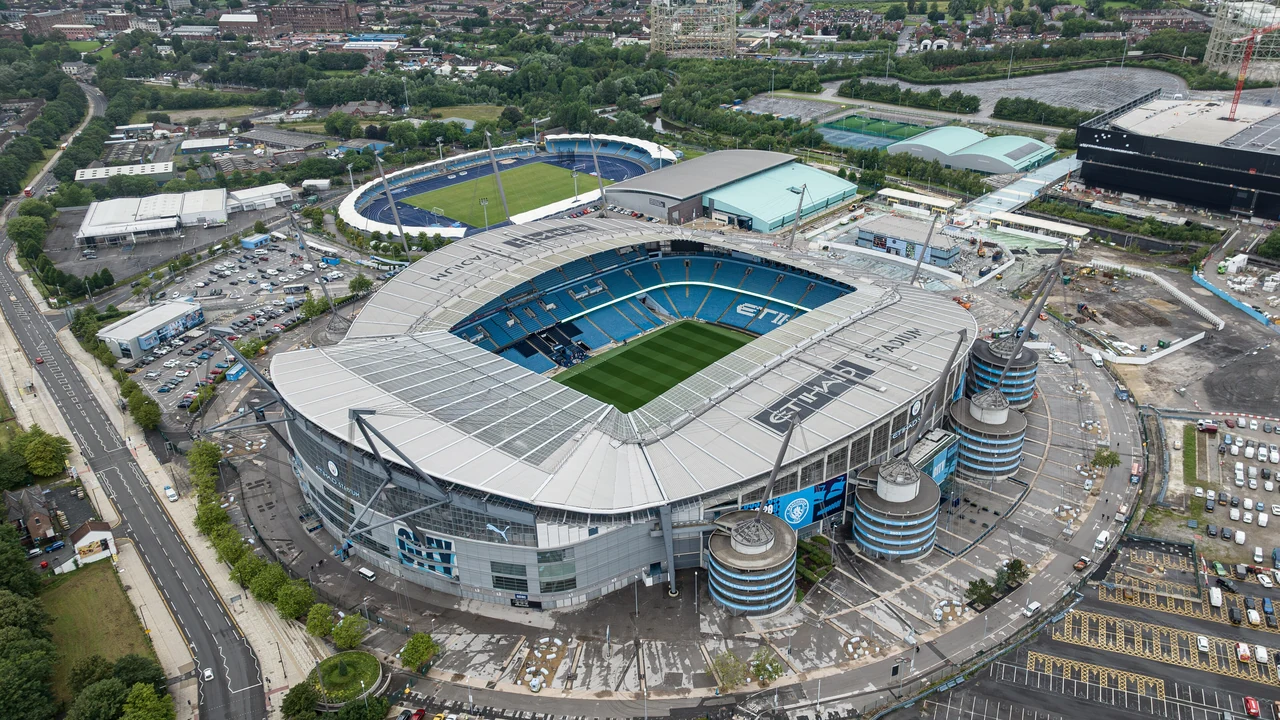
Manchester City's transfer planning has been built for a decade on the assumption that the case would never land. On 16 October 2026 it landed: the club was found guilty on all charges covering the period from 2009/10 to 2017/18, and the sanction is expected before Christmas. For a sporting director, that is not a legal story. It is a planning constraint with a date attached.
What the panel found
The findings cover nine seasons and involve the way payments to players and staff were recorded. The central term used in the reporting is "sham contracts": arrangements that concealed the true value of remuneration, worth around £830m across the period. The charges themselves numbered 114, and the club was found guilty on all of them.
City have signalled an appeal. Mark Howard KC is named in the reporting around the case. Until that route is exhausted, the findings stand but the sanction is not final, which is precisely the interval in which a transfer market has to operate.
The £830m of sham contracts
The number matters less as a fine than as a map of exposure. If remuneration was understated for nine seasons, then every squad cost calculation, every PSR submission and every contract registered in that period rests on figures a commission has now rejected. That is why the fallout reaches beyond a points deduction: it touches the validity of the accounting on which the club's competitive advantage was built.
It is also why the case has attracted claims from rivals. Liverpool, Arsenal, Manchester United and Tottenham filed legal notices before September 2024, and those claims do not disappear because a commission has ruled. If anything, a guilty finding gives them a foundation.
Twelve weeks to Christmas Eve
The appeal must be heard within 12 weeks, which places the process on a calendar ending by Christmas Eve 2026. Sanctions are expected by Christmas. That is an unusually short runway for a case of this size, and it compresses every decision the club would normally take over a season into a few weeks.
| Stage | Period or date | Figure | Status |
|---|---|---|---|
| Charges heard | 2009/10 to 2017/18 | 114 charges | Guilty on all, reported |
| Concealed remuneration | 2009/10 to 2017/18 | £830m | Finding of the panel |
| Appeal window | Within 12 weeks, by 24 Dec 2026 | Not set | Pending |
| Sanction | Expected by Christmas 2026 | Not imposed | Fine, points, ban or exclusion discussed |
| Precedent cited | Everton, PSR breach | -6 points for £20m | Benchmark, reported |
Why a transfer ban is the sanction that matters
A fine is a line item. A points deduction is a season. A transfer ban changes the squad, because it removes the club's ability to repair itself in the two windows when repairs are cheapest. The reporting lists fines, points deductions, transfer bans and even exclusion among the options under discussion, and the third of those is the one a sporting director has to plan against.
A ban would not block sales. It would block registrations, which means a squad could get older and thinner while its rivals strengthen. For a group built on buying at the top of the market, that is the sanction with the longest tail.
The Everton benchmark: six points for £20m
The comparison used throughout the reporting is Everton, deducted six points over a £20m breach. Scale that logic to a case involving £830m across nine seasons and the arithmetic becomes uncomfortable, though commissions are not required to be arithmetical. Burnley's receipt of around £40m from the Everton case shows how these disputes create money flows between clubs as well as penalties.
City's defence has never been that the numbers were small. It has been that the process was unfair and the evidence unreliable. An appeal that succeeds on process would unwind the sanction. An appeal that fails leaves the benchmark where it is.
What the market does with uncertainty
- Rival clubs price City's targets higher, because they know the buying club may lose access to the next two windows.
- Agents ask for shorter deals and release protections, in case a ban changes the squad's shape.
- City's own players become live targets: a ban makes selling easier than buying.
- Sponsors and commercial partners reprice risk long before any sporting penalty is applied.
- Nothing is confirmed until the sanction is published, and every "City are banned" story before that is anticipation.
The January question
The realistic planning assumption is that City can buy in the January window but must assume they cannot in the summer. That produces a window skewed towards immediate needs and away from long-term projects, and it makes the club a seller of at least one squad player to fund the difference. Whether that happens depends on a sanction that has not yet been announced.
What is already certain is the direction of travel. A club found guilty on 114 charges enters a market where every counterparty knows its position, and counterparties charge for that knowledge. Manchester City's next two windows will be shaped less by who they want than by what they are allowed to do, and the answer arrives by Christmas Eve.
Keep reading

Sweet Bonanza demo: how the free spins round actually pays
The demo teaches the mechanic, not the math: how the free spins round is actually calculated.
2026-10-17
Gates of Olympus super scatter: what the multiplier symbols do
Multiplier symbols pay nothing on their own. Here is when they are counted, and how the running total builds.
2026-10-17
Pragmatic Play slots RTP explained: why the same game pays differently
Return configurations are chosen per operator. The label on the game does not tell you which one is running.
2026-10-17