
Why Done Deals Collapse at the Last Minute
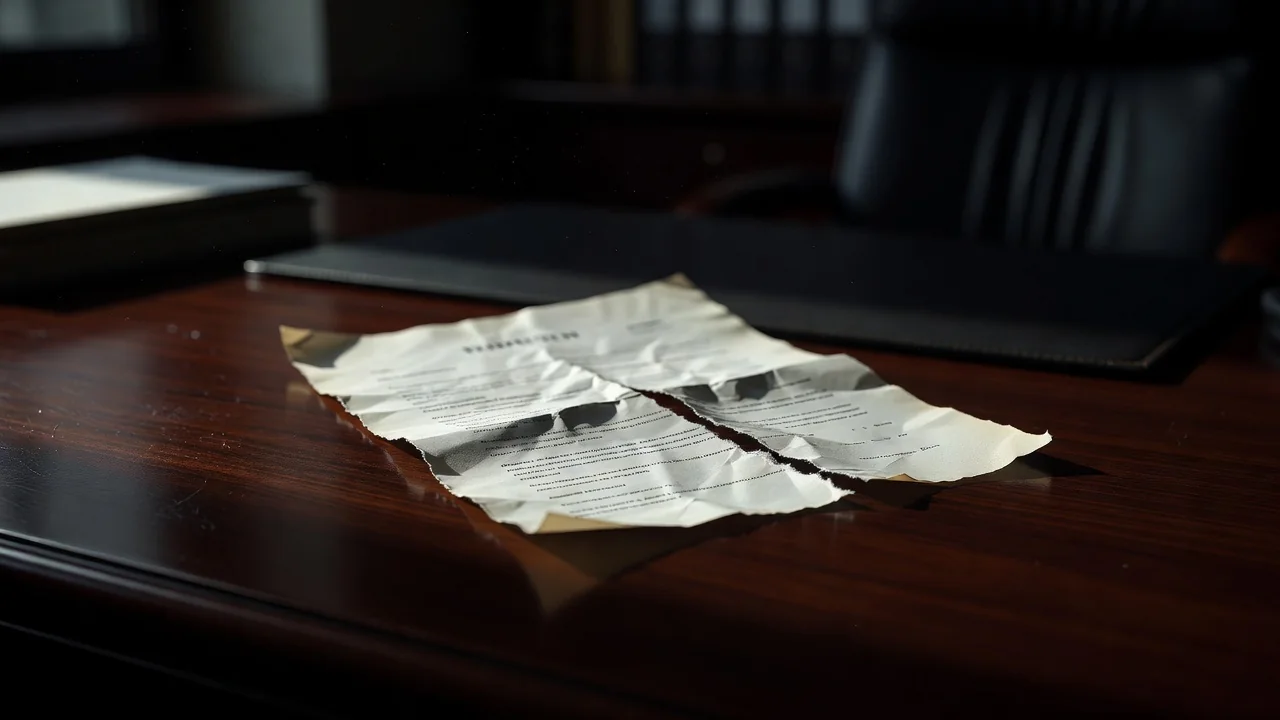
The announcement was hours away. The player had said his goodbyes, the shirt had been printed, and then — nothing. Football history is littered with transfers that were "done" right up until they were not, and the autopsy is almost always the same handful of causes. Understanding them turns every collapse from a mystery into a case study.
The medical that finds the wrong thing
The most legitimate killer. A scan reveals cartilage damage the selling club knew about, or worse, did not. The buying club's doctors refuse to certify the risk, and the deal either dies or goes back to the table for emergency surgery on its terms — a lower fee, a shorter contract, appearance-based wages. When a transfer collapses "due to the medical", believe it; clubs do not use doctors as an excuse, because a medical leak damages the player's value everywhere.
The agent who moves the goalposts
Fee agreed, terms agreed — and then the commission conversation begins. An agent who senses leverage in the final hours can demand a larger cut, a signing bonus restructure, or parity with another client's deal. Clubs occasionally call the bluff and walk away on principle, and the transfer dies over a percentage point the fans will never hear about. The public explanation, when one comes, is always vague: "the deal could not be concluded."

The hijack
The most dramatic failure mode. A rival club, informed that a deal is agreed but not signed, matches the fee in an afternoon and offers the player double the wages. The selling club does not care who pays; the player's head turns; the original buyer is left with an empty unveiling slot. Hijacks succeed precisely because they strike in the gap between agreement and signature — the only window where a player can still be legally seduced by a better offer.
| Cause of collapse | Stage where it strikes | Can the deal be saved? |
|---|---|---|
| Medical flag | After agreement, before signature | Often — via renegotiation |
| Agent commission dispute | Final contract drafting | Sometimes — if a club blinks |
| Rival hijack | Between agreement and signature | Rarely |
| Player changes his mind | Any stage before signature | Almost never |
| Work permit refusal | Registration phase | Via appeal, occasionally |
| Seller's replacement falls through | Final days of the window | Only if a replacement is found |
The domino that never fell
Many deals are secretly chained: club A sells to club B only once it has signed a replacement from club C. When the first link breaks — the replacement chooses another club, fails his medical, or simply will not move — the entire chain freezes. A transfer can therefore collapse for reasons located in a different country, involving a player the fans were never told about. This is why deadline-day collapses cluster: every chained deal shares the same final hour.
The paperwork that missed the window
And then there is the oldest villain: the clock. International transfers require both associations to validate the move through FIFA's Transfer Matching System before the deadline. England's deal sheet grants a two-hour grace period, but only for the final documents — and only if the sheet itself arrived before the window shut. Deals have genuinely died over a document filed at 23:01. In the modern era it is rare, but every few windows a club secretary somewhere has the worst night of their professional life.

The collapse that became folklore
One night in August 2015 taught the world what "paperwork" really means. David de Gea's move from Manchester United to Real Madrid — agreed, medical completed, player ready — failed because the final documents reached La Liga minutes after Spain's midnight deadline. Both clubs filed their accounts of the night, blame travelled in both directions, and the goalkeeper signed a new contract at Old Trafford weeks later. The episode hardened into transfer mythology not because it was strange, but because it was visible: thousands of deals brush the same edge every window, and only the biggest names make the collision public.
What collapses teach the reader
- "Agreed" is a state, not a result; only registration ends the story.
- The closer to the deadline, the more fragile the structure — chains, clocks and fatigue all bite at once.
- A collapse is rarely random: medical, money, hijack or chain. The truth usually surfaces within days.
Hijacks deserve their own paragraph because they are the collapse fans remember. Willian completed a medical at Tottenham in 2013, only for Chelsea to intervene and sign him days later. Nothing was breached — until registration, a deal is only a promise — but the lesson stuck: clubs now hide medicals at neutral clinics and keep flights quiet, precisely because a known medical is an invitation to a rival.
For every deal that falls apart in public, several die quietly at the term-sheet stage. The mill forgets them by morning. The clubs remember — and draft their next contract's exit clauses accordingly.
Keep reading

What 'Here We Go' Really Means in a Transfer
The catchphrase that turned one journalist into the sport’s ticker tape. What has to be true before it appears — and the rare cases it still falls through.
2026-08-30
What Actually Happens at a Football Transfer Medical
Scans, sprints and a file thicker than the contract. Inside the medical that can add clauses, cut prices or kill a deal outright.
2026-08-24
The Final 72 Hours: From Agreement to Announcement
Agents fly, lawyers red-line, media teams book the unveiling video. The hidden production line between "agreed" and the smiling photo.
2026-08-17